USDA Extension Starts Rain Growing Island on Campus
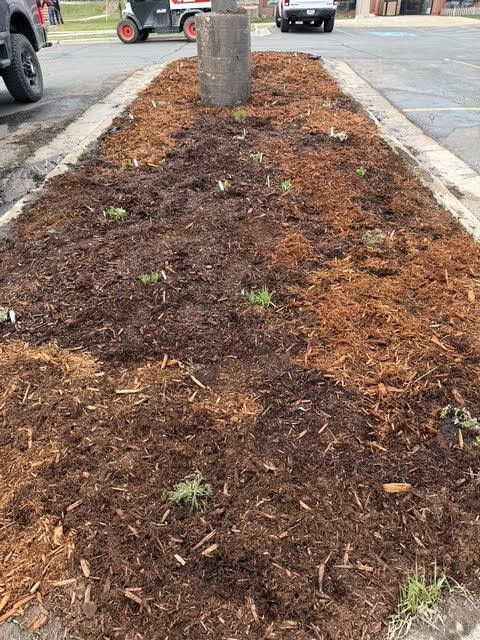
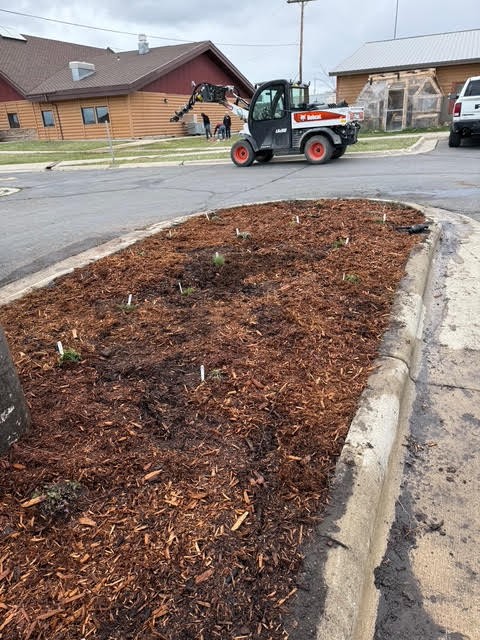
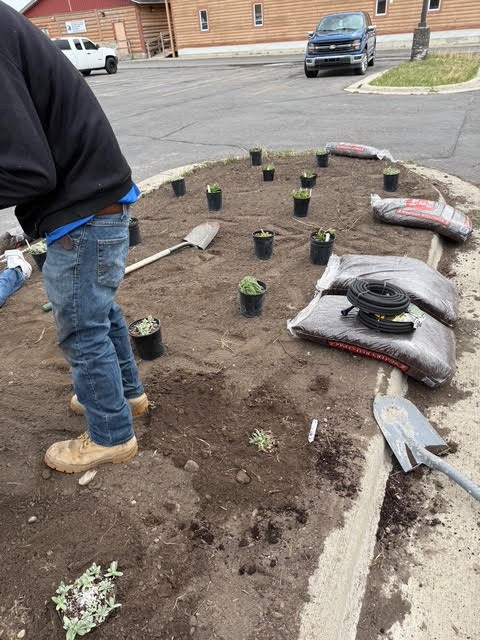
The rain growing island was designed using a layered design that reflects both ecological function and the natural relationships among native plant species. Native perennial grasses were established in the inner circle, surrounded by a diverse mix of forbs and herbaceous native plants. Species with higher water uptake needs were placed toward the center, while more drought-tolerant plants were positioned along the outer edges to promote water efficiency, resilience, and long-term sustainability. This design also supports pollinators by providing a variety of native flowering species throughout the growing season.
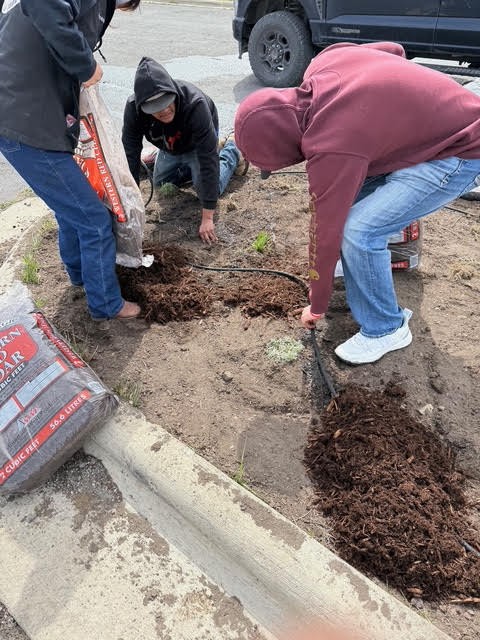
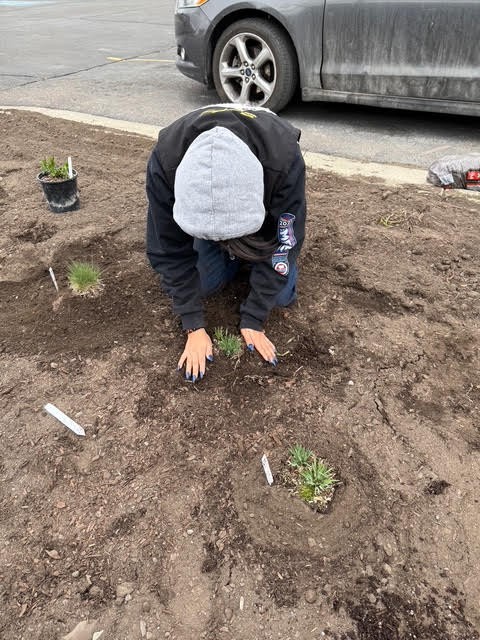
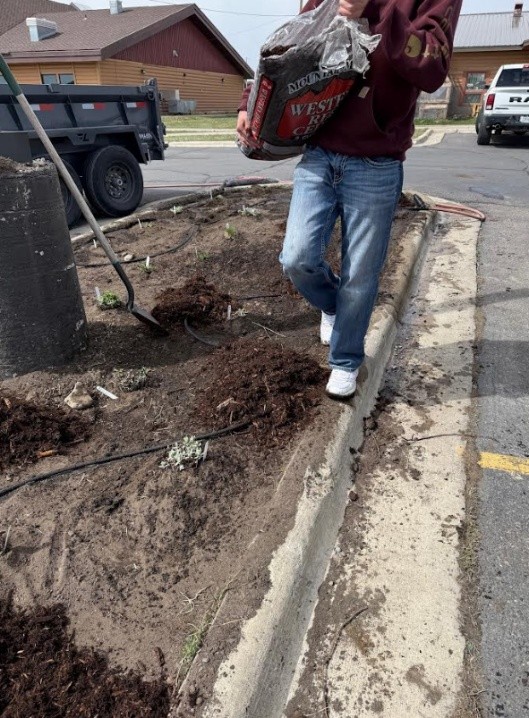
Through this project, USDA Extension Intern students gained hands-on experience identifying native plant species and understanding their ecological roles. They also developed practical skills in irrigation techniques and mulching, with an emphasis on supporting soil health and conserving moisture. Overall, the project fostered environmental stewardship while offering a meaningful, place-based learning opportunity grounded in sustainable land management practices within Blackfeet Country.
Species planted: beebalm, pearly everlasting, paintbrush, blanket flower, goldenrod, rosy pussytoes, and smooth blue aster, yarrow, blue eyed grass and tufted hairgrass.